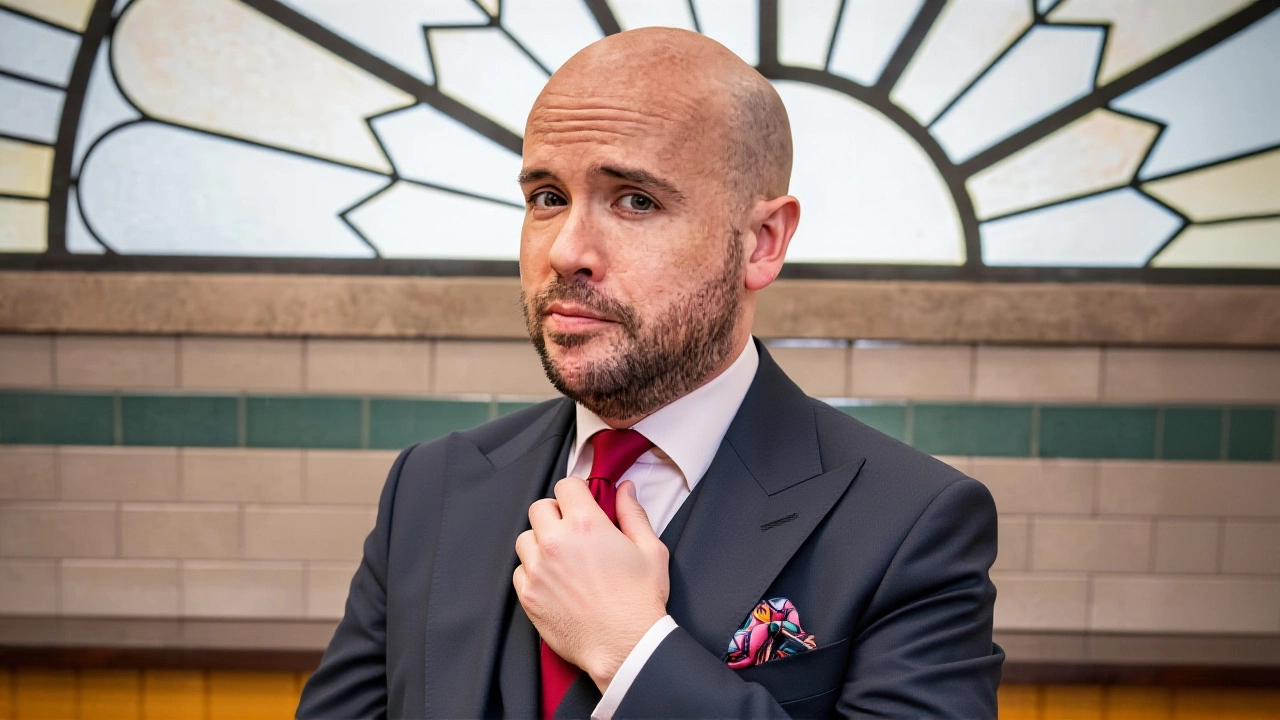
On November 21, 2025, Raymond Maurice Mosley, a 43-year-old Portland resident, was sentenced to 220 months — nearly 18 and a half years — in prison by Judge Shelley Russell of the Multnomah County Circuit Court. The sentence, which includes three additional years of post-prison supervision, stems from a violent spree of crimes committed across Portland in 2023. The Multnomah County District Attorney's Office (MCDA) publicly praised Nang Dunn, Heath Curry, and Barbara Stone, along with investigator Anthony Merrill, for their tireless work supporting victims through the emotionally grueling process. This case didn’t just close a chapter — it reopened wounds in a city still healing from a wave of violent incidents that have gone largely unreported outside local headlines.
Victims Identified in Two Separate Homicides
Just weeks before Mosley’s sentencing, on August 27, 2025, Portland authorities confirmed the identities of two homicide victims — a development that had been delayed pending family notifications. Nicholas Micheal MacFawn, 30, of Salem, Oregon, was found dead in an unrelated incident last year. His death, initially classified as undetermined, was later ruled a homicide after forensic review. The second victim, Jacob Collazo, 60, was a longtime resident of a campsite in Wallace Marine Park, a quiet riverside stretch along the Willamette River. His body was discovered in late 2024, but the investigation stalled until new evidence emerged this summer. Both cases remain open, with no arrests announced. Families say they’re grateful for the identification — but angry that justice still feels out of reach.
The Hidden Cost of Oregon’s Illegal Dumping Crisis
While the courtroom drama unfolded, another crisis crept through Oregon’s forests. Rabe, an employee with the Oregon Department of Forestry, documented a sharp spike in illegal dumping since 2021. Before then, districts like the one near Fox Ridge Road off State Highway 6 saw one or two abandoned vehicles per year. Now? About ten — every year. One cleanup alone at that site cost an estimated $8,000. That’s not just an environmental blight; it’s a drain on public resources. Locals report rusting cars, shattered glass, and even hazardous waste scattered across protected land. The state has no dedicated funding stream for these cleanups, meaning crews often pull from emergency budgets meant for wildfire response.
Parallel Investigations in Colorado
Far from Oregon, in Lamar, Colorado, a string of arrests in early 2025 painted a picture of a small town grappling with crime and limited resources. Between April 1 and April 14, 2025, Prowers County Jail held at least four individuals without bond: Bryson Burk, 22; Travis McGinnis, 53; Robin Thomeczek, 53; and Ezequiel Hernandez, whose trespassing case triggered a police response on November 10, 2025. All were booked under "no bond" status — a sign, local officials say, that judges are increasingly wary of releasing individuals with active felony warrants or histories of violent behavior. One incident involved a deliberately pulled fire alarm at the Holiday Inn Express, raising questions about whether these acts were random or coordinated.

Why This Matters Beyond the Headlines
The sentencing of Mosley is a rare moment of closure — but it’s not justice for everyone. While one perpetrator is behind bars, the deaths of MacFawn and Collazo remain unresolved, leaving families in limbo. Meanwhile, the illegal dumping problem in Oregon’s state forests isn’t just about litter — it’s a symptom of systemic neglect. Budget cuts, understaffed rangers, and lax enforcement have turned protected land into a dumping ground. And in Lamar, the pattern of arrests without bond suggests a growing trend: small-town law enforcement, stretched thin, are turning to pretrial detention as a default, not a last resort.
What’s Next?
Investigators in Portland say they’re following leads tied to both homicides, including surveillance footage and witness statements gathered since late 2024. The MCDA has pledged to review all unsolved cases from 2023 for possible connections to Mosley’s crimes — though so far, none have been found. In Oregon, state legislators are being urged to create a dedicated fund for forest cleanup, modeled after similar programs in Washington and California. And in Colorado, Prowers County officials are considering a community outreach program to reduce repeat offenses, especially among those with mental health or substance use issues. For now, though, the silence from authorities is deafening. No press conferences. No updates. Just the slow grind of bureaucracy.
Frequently Asked Questions
How did Raymond Maurice Mosley get 220 months in prison?
Mosley was convicted of multiple felonies committed in 2023, including aggravated assault, unlawful use of a weapon, and burglary with intent to commit violence. Under Oregon sentencing guidelines, each charge carried a base term, and the court applied enhancements due to prior convictions and victim impact. The 220-month sentence reflects consecutive terms for the most serious offenses, with the judge citing his pattern of escalating violence and lack of remorse.
Who were Nicholas Micheal MacFawn and Jacob Collazo?
Nicholas Micheal MacFawn, 30, was a Salem resident with no criminal record, known locally for volunteering at a youth center. Jacob Collazo, 60, lived off-grid in Wallace Marine Park and worked odd jobs to survive. Both were socially isolated, which may have delayed the discovery of their deaths. Authorities believe MacFawn was targeted in a robbery gone wrong, while Collazo’s death may be linked to an unresolved dispute with someone he knew.
Why is illegal dumping increasing in Oregon’s state forests?
Since 2021, Oregon has seen a 400% rise in abandoned vehicles in state forests, according to Department of Forestry data. Experts cite rising housing costs pushing people into informal living situations, combined with reduced patrols and underfunded cleanup programs. Many dumpers are unaware it’s illegal — others do it deliberately to avoid disposal fees, which can exceed $150 per vehicle.
Why were all the Lamar arrests made without bond?
Prowers County judges have adopted a policy of no bond for individuals with active felony warrants or histories of violence, especially when charges involve weapons or public endangerment. In cases like McGinnis’s and Thomeczek’s, both had prior convictions for assault or resisting arrest. The county lacks a robust pretrial services program, so detention is often the only option to ensure court appearances and public safety.
What’s being done to support victims’ families in Portland?
The MCDA’s Victim Advocates — Dunn, Curry, and Stone — continue to provide counseling, court accompaniment, and help navigating compensation programs. Families of MacFawn and Collazo have been connected with Oregon’s Crime Victims’ Compensation Fund, which can cover funeral costs and therapy. But advocates say systemic gaps remain: many victims’ families don’t know their rights, and outreach is inconsistent outside Portland’s urban core.
Are these cases connected?
No direct links have been established between Mosley’s crimes and the homicides of MacFawn or Collazo. Investigators say the timing is coincidental — both sets of cases were active in 2023–2024, but involve different suspects, locations, and motives. However, the MCDA is reviewing all 2023 violent crime reports for possible overlaps, particularly in neighborhoods with high rates of gun violence.