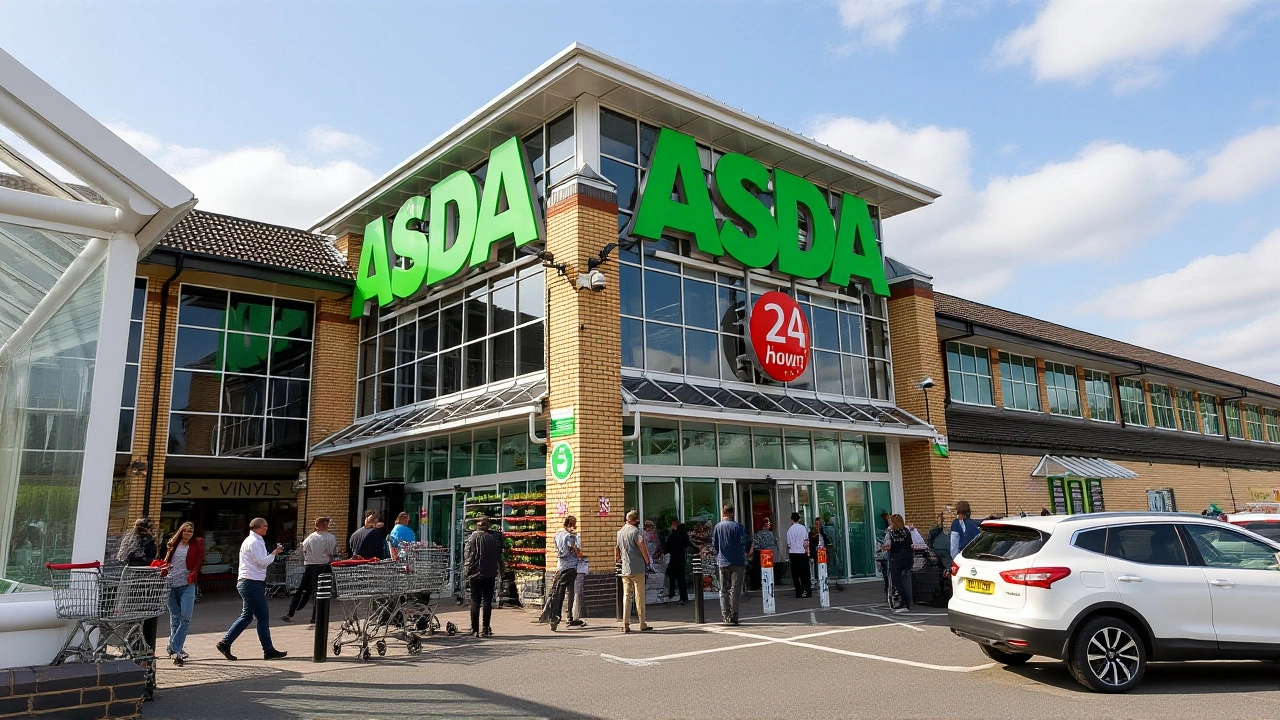
On November 27, 2025, Asda issued an urgent recall for its 10 Mini Duck Spring Rolls with Hoisin Dip after discovering the use-by date on packaging was wrong—labeled as December 29, 2025, when the real expiration date was November 29, 2025. The error means consumers could be eating spoiled food, risking food poisoning. Around the same time, Sainsbury's recalled its JS Free From Breaded Mini Fillets because the product contained undeclared milk, a serious threat to anyone with dairy allergies. Both recalls were confirmed by the Food Standards Agency, the UK’s official food safety watchdog, and corroborated by consumer group Which? The incidents are part of a worrying cluster of food safety failures across major UK supermarkets this November.
Asda’s Date Labeling Blunder
Asda’s spring rolls, sold nationwide in 10-piece packs, were labeled with use-by dates of December 29, 2025, December 30, 2025, and December 31, 2025. But the actual shelf life ended on November 29, 2025. That’s a 30-day window where customers might have eaten the product past its safe consumption date. The Food Standards Agency classified this as a ‘Food alert,’ not just a warning—it’s a red flag. Which? noted the labeling error made the product “unsafe to eat past this time.”
Customers who bought these rolls—even without a receipt—are being told to return them to any Asda store for a full refund. The company’s notice is unusually clear: “You do not need your [receipt].” That’s rare. Most retailers demand proof of purchase. This suggests they’re prioritizing safety over paperwork.
Sainsbury’s Allergen Oversight
Meanwhile, Sainsbury's recalled its JS Free From Breaded Mini Fillets—a product marketed as dairy-free—because lab tests revealed traces of milk. The 305g packs, bearing best-before dates between November 15 and November 20, 2025, were sold across the UK. For people with milk allergies, even a tiny amount can trigger anaphylaxis. The Food Standards Agency flagged this as a “consumer action required” recall, meaning it’s not just inconvenient—it’s potentially life-threatening.
“The product is a possible health risk for anyone with an allergy or intolerance to milk or milk constituents,” the recall notice warned. That’s not boilerplate language. It’s a direct acknowledgment of real danger. People with severe dairy allergies may have already consumed these fillets, especially since they were sold under a “free from” label, which many assume means completely safe.
A Pattern of Failures
This isn’t an isolated incident. In late 2025, UK supermarkets have been hit by a string of recalls:
- Aldi recalled Ashfields 30 Day Matured Thin Cut Beef Steaks on October 18, 2025, for undeclared milk.
- Tesco pulled Celery, Fruit and Nut Salad on November 24, 2025, due to undeclared mustard.
- Sainsbury’s issued its milk alert on November 12, 2025.
- Asda followed on November 27, 2025.
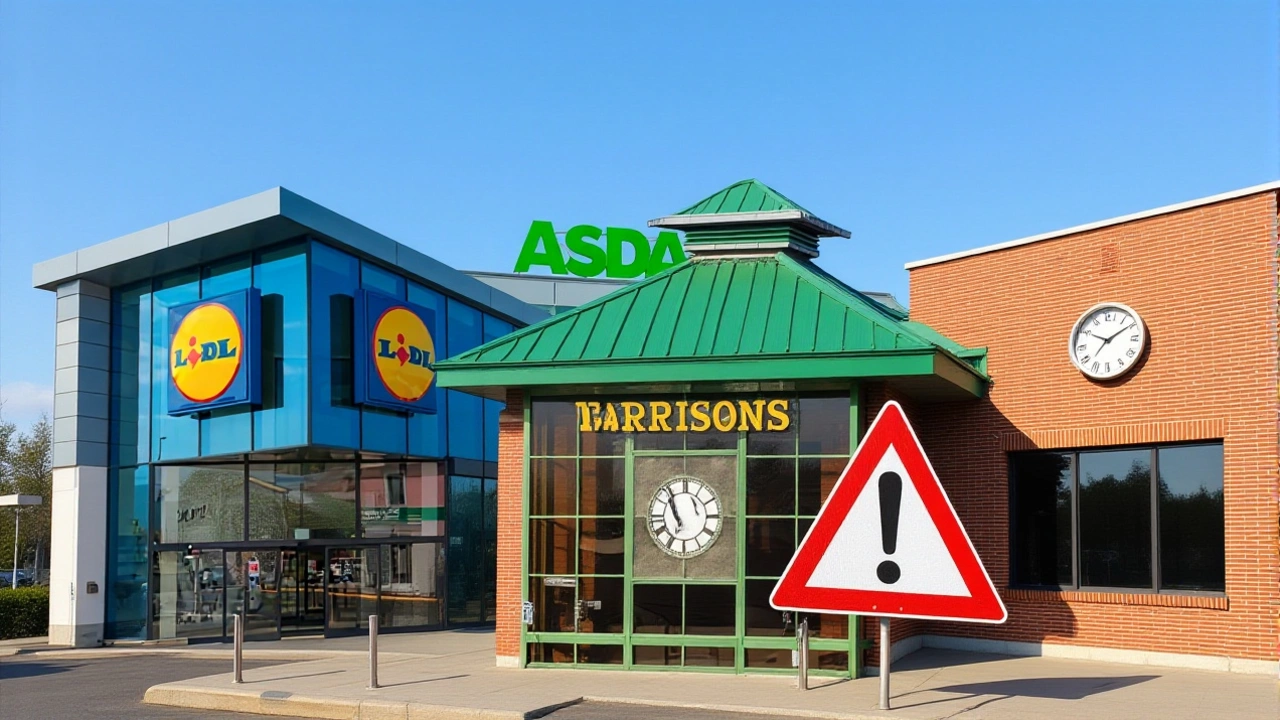
That’s four major recalls in under two months. And each one involves a different failure: mislabeled dates, hidden allergens, and poor quality control. The Food Standards Agency is overwhelmed. Its online portal at food.gov.uk now lists more alerts than it has in any comparable period since 2020.
Why This Matters to You
These aren’t just corporate mistakes—they’re public health risks. Misdated food can cause salmonella or listeria, especially in ready-to-eat items like spring rolls. Undeclared allergens? They’re silent killers. A 2023 study by the Food Standards Agency found that 1 in 4 allergic reactions in the UK were triggered by mislabeled products. And with more people avoiding dairy for health reasons, the number of people relying on “free from” labels is growing.
It’s also a trust issue. Shoppers pay premiums for “free from” and “premium” products, expecting stricter standards. When those promises break, it erodes confidence in the entire system. The fact that these recalls came from Asda and Sainsbury’s—two of the UK’s largest chains—makes it worse. If they’re getting this wrong, who’s safe?
What’s Next?
The Food Standards Agency has launched an internal review into labeling practices across its major suppliers. Retailers are being asked to audit their packaging processes by December 15, 2025. Industry experts suspect the root cause is a combination of rushed production schedules and outsourced labeling systems that lack proper verification.
Consumers should check their freezers. If you bought any of these products, don’t risk it. Return them. And if you’ve already eaten something recalled and feel unwell, contact your GP immediately. There’s no shame in being cautious—this isn’t paranoia. It’s protection.
Frequently Asked Questions
How do I know if I bought the recalled Asda spring rolls?
Check the use-by date on the packaging. If it reads November 29, 2025, December 30, 2025, or December 31, 2025, you have the affected batch. The product is sold in 10-piece packs labeled ‘Asda 10 Mini Duck Spring Rolls with Hoisin Dip.’ Even if you don’t have a receipt, Asda will refund you at any store. The packaging also has a batch code starting with ‘DUS2511’—if you’re unsure, call Asda Customer Services.
Is it safe to eat Sainsbury’s JS Free From Mini Fillets if I don’t have a milk allergy?
If you have no dairy allergies, the risk is low—but not zero. The milk contamination is trace, but cross-contamination during manufacturing could mean other allergens are present. More importantly, the recall exposes a breakdown in quality control. If a product labeled ‘free from’ contains milk, what else might be hidden? It’s best to return it regardless. Your safety isn’t just about your own allergies—it’s about holding companies accountable.
Why do these recalls keep happening in UK supermarkets?
Supply chain pressures, automation errors, and outsourcing packaging to third parties are key factors. Many retailers now use automated labeling systems that pull data from central databases—but if one link in the chain is wrong, the error propagates. Aldi, Tesco, Asda, and Sainsbury’s all rely on similar systems. The Food Standards Agency lacks the staffing to inspect every batch, and penalties for labeling errors remain too low to deter negligence.
What should I do if I ate one of these products and feel sick?
If you consumed the Asda spring rolls after November 29, 2025, and experience vomiting, diarrhea, or fever within 72 hours, seek medical attention immediately—listeria can be deadly. If you have a milk allergy and ate the Sainsbury’s fillets and developed hives, swelling, or breathing trouble, use an epinephrine auto-injector if you have one and call 999. Report your case to the Food Standards Agency via their online portal; your report helps track patterns and prevent future incidents.
Are other brands affected by similar issues?
Yes. In October 2025, Aldi recalled beef steaks for undeclared milk. Tesco’s salad recall for mustard was the third allergen-related alert in November. The pattern suggests systemic issues in how suppliers label allergens and expiration dates. Independent labs have found that 17% of ‘free from’ products in UK supermarkets contain trace allergens not listed on the label. This isn’t just about big chains—it’s about the entire food labeling infrastructure.
How can I stay informed about future recalls?
Bookmark the Food Standards Agency’s official alerts page at food.gov.uk/alerts. Sign up for their email notifications. Also, follow Which? and the Food Standards Agency on social media—they post updates faster than retailers. Many consumers miss recalls because they rely on in-store signage, which is often removed after a few days. Proactive monitoring saves lives.
- Poplular Tags
- food recall
- Asda
- Sainsbury's
- UK
- undeclared milk allergen